
The last thing anyone wants after visiting a dental crowns specialist is additional issues. In some cases, this happens due to a failed crown. But at other times, it can happen due to your body betraying you. So, can dental crowns trigger metal allergies?
Can Dental Crowns Trigger Metal Allergies?
If your dental crown contains any metal elements, then it can trigger metal allergies. However, the odds of this happening to you are rather low.
- Firstly, metal allergies are quite rare.
- Additionally, your dentist should take the time to ensure that you have no allergies before recommending any metal-containing treatment.
- Lastly, many dental crowns contain no metal at all.
How Can Dental Crowns Trigger Metal Allergies?
Many crowns are made of materials that have no metals. However, metals such as nickel, chromium, and cobalt can be part of porcelain-fused-to-metal (PFM) crowns. Each of these metals are known to have corresponding allergies in some patients. Still, these are rare.
Metal allergies from crowns can occur in several ways.
Metal Composition
In PFM crowns, the crown has a metal core. While this provides exceptional durability, it can trigger an allergic reaction in some patients. The amount and type of metal present can determine the likelihood of seeing an allergic response.
Systemic Effects
An allergic reaction might cause symptoms outside of your mouth. Because of this, some patients may easily miss that the cause is their dental crown. After any dental restoration, keep an eye out for symptoms like headaches, fatigue, or even skin rashes.
Localized Effects
The easiest way to stop a crown allergy is if symptoms present in the mouth, particularly around the crown. If you notice anything unusual, the best solution is to come back in for another visit.
What Does the Allergic Reaction Look Like?
Allergic reactions can differ between patients. Even two patients with the same metal allergy could have different symptoms. As such, we recommend keeping an eye out for any of the following signs of an allergic reaction to crowns.
Local Symptoms
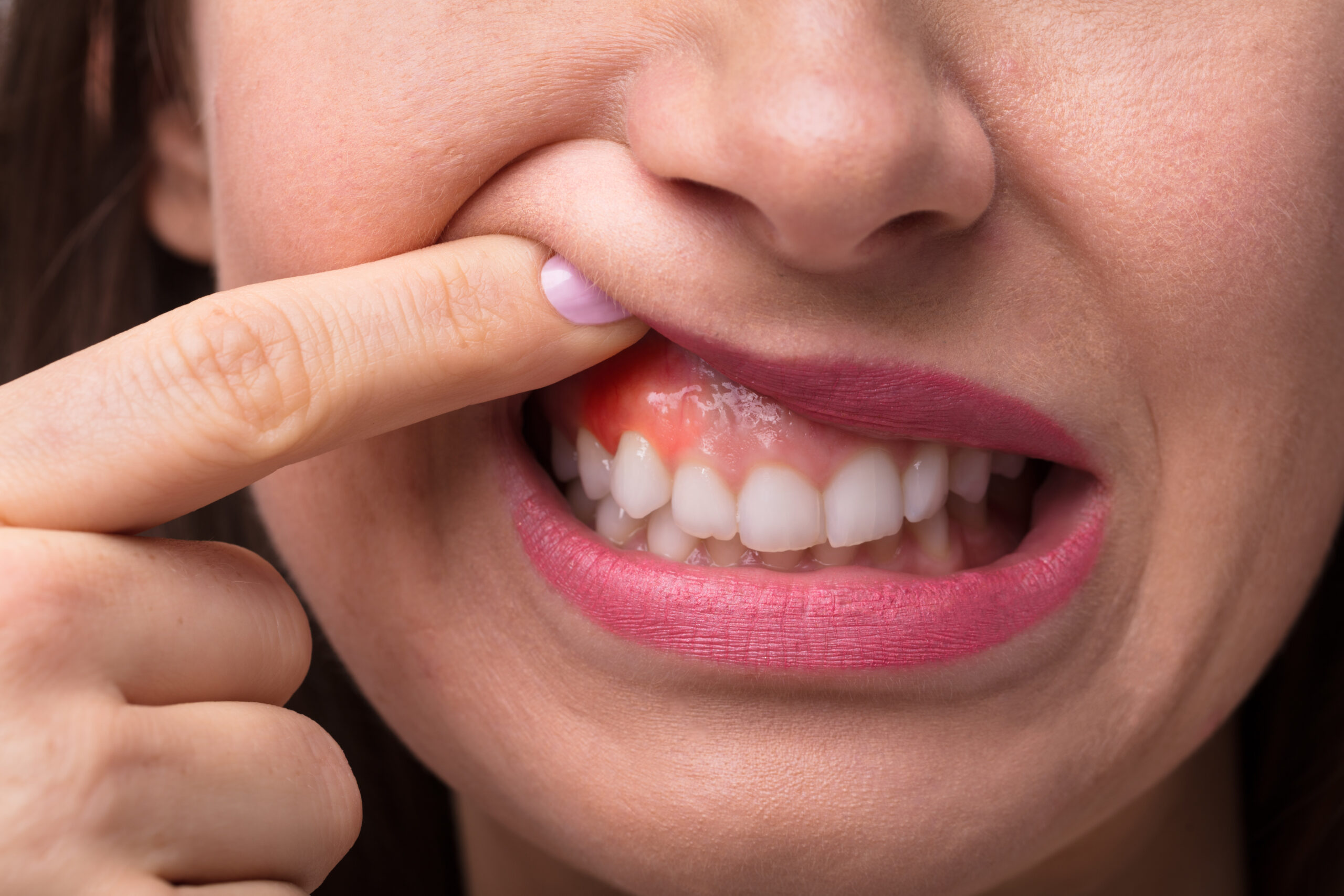
- Gum inflammation
- Redness or swelling around the tooth
- A burning sensation
- Tenderness
- Throbbing sensation
Systemic Systems
- Rashes or blisters on the skin
- Headaches
- Fatigue
I Have Metal Allergies: What Can I Do?
Even if you have metal allergies, you can still get dental crowns. You simply will need to go about it the right way.
Choose Metal-Free Options
Metal-free dental crowns are readily available. You can choose from several options that have zero metal without compromising on quality. These other materials are generally biocompatible, and have minimal risk for any allergic response. Options include:
- Ceramic
- Porcelain
- Zirconia
Inform Your Dentist
If you know you have a metal allergy, it is vital to let your dentist know. Not only crowns but other dental treatments involve a range of metal touching your mouth. When you first visit a dentist, you will likely fill out a medical history document. This is the best place to inform your dentist of any medical facts about yourself.
Replace the Crown
If you already have a dental crown causing allergies, it will have to be removed. Keeping it in your mouth will only lead to increasing issues. A long-term allergic response could cause notable problems for your oral and system health.
Once your dentist confirms you have a metal allergy, they can remove the crown and replace it with a metal-free one. If something else is causing the allergy, then that will be addressed instead.
Work with a Dentist Who Listens
At East Highland Dental, our dentist takes the time to ensure patients are matched with the safest treatment for their needs. No consultation is rushed, ever. Call us today to set up a consultation for dental crowns.